The DRIPBaR Hammond
Hours of Operation:
Mon: 10:00 AM-4:00 PM
Tues: 10:00 AM-6:00 PM
Wed: 10:00 AM-6:00 PM
Thurs: 10:00 AM-6:00 PM
Fri: 10:00 AM-6:00 PM
Sat: 10:00 AM-2:00 PM
Sun: CLOSED
Feed your Cells.
Fuel your Life.
Fuel your Life.
NAD+ IV Therapy for Parkinson’s Disease Support
When Parkinson’s disease affects daily life, the body’s energy systems often struggle to keep up. At the cellular level, disruptions in energy transfer can lead to fatigue and mental fog. By focusing on these underlying mechanisms, wellness routines can be tailored to support real-world function. Understanding how energy and clarity are connected helps guide practical choices. This approach emphasizes building a foundation before adding targeted support.
For many people living in and around Hammond Square, finding accessible wellness support is important. Fatigue and brain fog are common concerns for those managing Parkinson’s disease, and options like NAD+ IV Therapy are gaining attention as part of energy and clarity routines. The short drive from Hammond Square makes it convenient for clients to explore these services without disrupting their day. By considering both location and individual needs, clients can better integrate wellness visits into their routines. This local connection encourages a proactive approach to managing symptoms.

Understanding Fatigue and Brain Fog in Parkinson’s
Fatigue in Parkinson’s disease is more than feeling tired. It often includes heavy limbs, slow starts, and reduced mental stamina. Many experience a crash after activity or an afternoon slump. These patterns can limit daily routines.
Brain fog is also common, showing up as slower thinking, reduced focus, and trouble with memory. Factors like medication timing, sleep disruption, dehydration, and mood changes can all play a role. Constipation and nutrient gaps may add to the challenge. Recognizing these overlapping drivers helps guide a more effective wellness plan. Addressing multiple factors, not just one, is key to better day-to-day stability. Building a strong foundation makes targeted support more successful.
Building a Foundation for Energy Support
Before considering NAD+ or B12, it’s important to stabilize hydration, meals, sleep, and medication rhythm. Steady sips of water throughout the day help maintain energy. Regular mini-meals with protein, especially at breakfast, support stamina. Consistent sleep and wake times, along with a calming wind-down routine, protect rest. Planning activities during best-function windows and tracking fatigue in relation to medication timing can make a noticeable difference.
B12 Shots for Parkinson’s Fatigue
Vitamin B12 is essential for nerve health, red blood cell formation, and energy metabolism. People with Parkinson’s often consider B12 shots when they suspect low intake or absorption issues. A quick B12 injection can be appealing for those seeking a simple, low-commitment option. Some report a lift in energy or mental clarity, while others notice little change. Lab-informed planning helps determine if B12 is the right fit.
B12 shots are most effective when a deficiency or borderline status is present. Testing for B12, MMA, and homocysteine can clarify whether supplementation is needed. If B12 levels are robust, extra shots may not improve fatigue. Tracking response after each shot helps personalize the routine. A simple approach, guided by labs, avoids unnecessary stacking of supplements.
NAD+ Drip for Mental Clarity
NAD+ is a coenzyme involved in cellular energy transfer and recovery. NAD+ IV therapy is often chosen by those seeking structured support for energy and cognitive stamina. The infusion can cause sensations like flushing, nausea, or headache, so comfort-first pacing is important. Some people feel calmer or clearer after a session, while others may feel tired or notice no change. Tracking individual response is essential for deciding whether to continue.
NAD+ is not a stimulant and does not guarantee an immediate energy boost. Results can vary based on hydration, nutrition, and infusion pace. A conservative approach, with a low-demand day afterward, helps minimize discomfort. Clients are encouraged to communicate any sensations during the session. The goal is to support comfort and recovery, not to chase quick results.
Comparing Energy and Clarity Routines
Some clients ask how NAD+ IV Therapy compares to B12 shots for Parkinson’s support.
NAD+ is often selected for those wanting a structured recovery appointment and support for cellular energy. B12 shots are typically chosen when a nutrient gap is suspected or when a quick, trackable intervention is preferred. NAD+ sessions take longer and can feel more intense, while B12 shots are brief and usually well-tolerated. The best fit depends on individual goals, lab results, and how each option aligns with daily routines. Tracking one variable at a time helps clarify what works best for each person. Sustainability and comfort are key for long-term wellness.
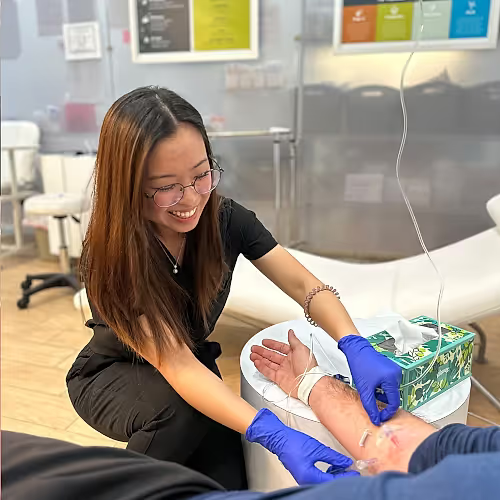
Parkinson’s Brain Fog Support Routines
Brain fog in Parkinson’s can be influenced by sleep, hydration, medication timing, and nutrient status. Supporting routines might include hydration anchors, mini-meals, and consistent sleep habits. B12 shots may help if deficiency is present, while NAD+ infusions can be explored for those seeking structured recovery. Tracking mental clarity and fatigue after each intervention provides useful feedback. Adjusting routines based on these observations leads to better personalization. Over time, clients can identify which tools offer the most benefit. Consistency and simplicity often yield the best results.
- Hydration anchors: Steady water intake supports energy and comfort.
- Mini-meals focus: Small, frequent meals prevent crashes and dizziness.
- Sleep protection: Consistent routines help maintain cognitive stamina.
- Medication rhythm: Scheduling activities during best-function windows improves outcomes.
- Lab-informed planning: Testing for B12 and related markers guides supplementation.
- One-variable tracking: Trying one intervention at a time clarifies what works.
- Recovery services: Calming therapies like red light or compression support overall wellness.
Vitamin B12 Deficiency Testing
Testing for vitamin B12, MMA, and homocysteine helps determine if a deficiency is contributing to fatigue or brain fog. These markers provide a clearer picture than B12 alone. If levels are low or borderline, targeted supplementation can be more effective than guessing. Regular testing is especially important for those with digestive issues or restrictive diets. Lab-informed routines reduce unnecessary supplementation and improve results. Discussing test results with a wellness specialist ensures a personalized plan.
Hydration-first fatigue support plans are often the foundation for better energy. Consistent fluid intake can reduce dizziness and help with medication absorption. This simple step is frequently overlooked but makes a noticeable difference.
Tracking routines is essential for understanding what improves energy and clarity. A daily log of fatigue, brain fog, sleep quality, and hydration can reveal helpful patterns. Reviewing these notes after a few weeks highlights what works best. This approach supports ongoing personalization.
Many clients find that calming recovery services, such as red light therapy or compression, complement IV routines. These options are gentle and can be integrated without overstimulation. They provide structured rest and support overall wellness.
Common mistakes include chasing same-day energy boosts, starting NAD+ when dehydrated, or using B12 without checking status. Avoiding these pitfalls leads to better outcomes. Planning sessions during stable medication windows and tracking one variable at a time are practical strategies. Addressing orthostatic symptoms and slow transitions helps reduce dizziness. The goal is to create a sustainable, effective routine that supports daily life.
Personalizing Fatigue Support Strategies
Many visitors from Hammond Square appreciate the quick two-minute drive for wellness appointments. This convenience allows them to fit sessions into their schedule without added stress. Local access supports consistency in routines.
Choosing between NAD+ and B12 starts with understanding individual patterns. B12 is often the first trial when deficiency is possible, especially with low appetite or digestive concerns. NAD+ may be preferred when B12 status is robust and fatigue is linked to stress or recovery needs. Neither option should be the first step if hydration, sleep, or infection symptoms are not addressed. Scheduling during stable windows and planning for a low-demand day after NAD+ sessions improves comfort. Tracking response to each intervention helps guide future choices.
Orthostatic symptoms are common in Parkinson’s and can affect session tolerance. Slow transitions, steady hydration, and careful scheduling help reduce dizziness. Clients prone to fainting should consult with a wellness professional before starting IV therapy.
One-Variable Trial Tracking for IV Therapy
Trying one new intervention at a time makes it easier to identify what works. For example, start with a hydration-focused IV session and track changes in energy and brain fog. If adding B12, monitor clarity and fatigue for a few days before introducing anything else. NAD+ trials should be scheduled on low-demand days, with other variables kept stable. Keeping a daily log of symptoms and routines provides valuable feedback. After a month, review which tool offered the most benefit. Remove interventions that did not help or worsened sleep. This approach supports sustainable, personalized routines.
Lab-informed planning is the fastest way to avoid guessing. Testing for B12, vitamin D, iron, and thyroid markers can reveal correctable gaps. Targeted correction is usually more effective than trying multiple infusions.
Comfort-first planning is especially important for NAD+ sessions. Slow pacing, a calm environment, and clear communication about sensations help improve tolerance. Clients should eat a light meal and hydrate before their appointment. Wearing comfortable clothing and planning extra time for transitions reduces stress. Scheduling a low-demand day after NAD+ allows for recovery. The focus is on comfort and gradual improvement.
B12 shot routines should be simple and trackable. Schedule in the morning or early day if sleep is sensitive. Avoid combining with multiple energy supplements. Track clarity and fatigue for 24 to 48 hours after each shot.
Hydration-First Fatigue Support Plan
Hydration is a foundational step for managing fatigue in Parkinson’s. Steady fluid intake helps maintain blood pressure and supports medication absorption. Many clients notice improved energy and reduced dizziness with consistent hydration. It is important to sip water throughout the day rather than chugging large amounts at once. Hydration routines can be paired with mini-meals for better stamina. This simple strategy is often the first step before considering IV or injection support.
Tracking daily routines helps reveal what improves energy and clarity. A short log of symptoms, hydration, sleep, and interventions provides useful insights. Reviewing these notes after a few weeks highlights the most effective tools. Adjusting routines based on this feedback supports ongoing personalization. Consistency and simplicity are key for long-term success.
Monthly routines at The DRIPBaR can include hydration resets, B12 shot trials, recovery services, and NAD+ infusions. Week one might focus on hydration, while week two introduces B12 if needed. Recovery services such as red light therapy or compression are added in week three. NAD+ trials are scheduled in week four, with tracking throughout the month. At the end of the month, review which intervention was most helpful and adjust the plan. This approach keeps routines realistic and sustainable.
Recovery services like red light therapy, compression, and hyperbaric oxygen sessions offer calming support without overstimulation. These options can be integrated into monthly routines for added benefit. They are especially helpful for clients who prefer gentle, restorative therapies. Structured rest and relaxation are important for managing fatigue and brain fog. These services complement IV and injection routines. Many clients find that combining these approaches supports overall wellness.
Common mistakes include seeking immediate energy boosts, starting NAD+ when underfed or dehydrated, and using B12 without checking status. Planning sessions during stable medication windows and tracking one variable at a time are practical strategies. Addressing orthostatic symptoms and slow transitions helps reduce dizziness. The goal is to create a sustainable, effective routine that supports daily life. Consistency and personalization lead to better outcomes.


Tracking Progress and Adjusting Routines
A daily tracker can reveal what improves energy and clarity. Record fatigue, brain fog, dizziness, sleep, hydration, and interventions. Review after two to four weeks for patterns. Adjust routines based on what works best.
Communication with wellness professionals supports safe planning. Discuss goals, symptoms, and any concerns before starting new interventions. Ask about lab testing to guide supplementation. Share feedback after each session to refine the routine. This collaborative approach ensures safety and personalization.
Red flags such as sudden confusion, fainting, fever, or chest pain require medical evaluation. Postpone elective sessions if these symptoms occur. Safety is always the top priority.
Key takeaways include the importance of hydration, lab-informed planning, and tracking routines. B12 shots and NAD+ infusions are tools within a broader wellness strategy. Personalization and consistency are essential for managing fatigue and brain fog.
The DRIPBaR supports Parkinson’s wellness through hydration-first IVs, conservative NAD+ and B12 trials, and calming recovery services. Clients are encouraged to try one tool at a time and track results. Monthly reviews help refine routines for better outcomes. The focus is on sustainable, supportive care tailored to individual needs. Building relationships and trust is central to the experience.
Integrating Support Into Daily Wellness Routines
Wellness routines work best when they fit naturally into daily life. Small adjustments, like steady hydration and regular meals, can make a big difference. Personalized support helps maintain energy and clarity.
Some clients find that NAD+ IV Therapy is a valuable part of their monthly routine.
Hydration and Recovery Services
Hydration-focused IV sessions are a gentle starting point for many. These sessions help restore fluid balance and support overall energy. Recovery services such as red light therapy and compression can be added for calming support. Clients are encouraged to track their response to each intervention. Over time, routines can be adjusted based on what works best. This approach keeps wellness plans sustainable and effective.
Monthly reviews help identify the most helpful interventions. Removing tools that do not improve trends supports a realistic plan. Consistency is more important than intensity.
Personalizing Your Plan
Each person’s response to IV therapy is unique. Tracking one variable at a time makes it easier to see what helps. Adjust routines based on feedback and comfort.
Clients are encouraged to communicate openly with wellness professionals about their experiences. Sharing feedback after each session helps refine the plan. Safety and comfort are always prioritized. Personalized routines support better outcomes over time. Adjustments should be made gradually for best results. The goal is to find a sustainable approach that fits individual needs.
Wellness support for Parkinson’s is most effective when routines are simple, consistent, and personalized. Hydration, nutrition, sleep, and medication rhythm form the foundation. NAD+ and B12 are tools that can be added based on individual patterns and lab results. Tracking and monthly reviews help clarify what works best. Recovery services offer gentle support without overstimulation. The focus is on building routines that support daily life and long-term wellness.
Next Steps for Support
If you are considering IV therapy for Parkinson’s support, start with a conversation. A short, no-obligation consult can help determine which options fit your needs. Wellness routines are most effective when tailored to your goals.
The DRIPBaR Hammond welcomes clients seeking personalized wellness support. After-hours appointments may be available to fit your schedule. Reach out to learn more about hydration, NAD+, B12, and recovery services. Taking the first step is often the hardest, but support is here when you are ready.

Consistency and open communication are key to long-term wellness. Adjust routines as needed based on your experience. The goal is to support your energy, clarity, and quality of life.
Driving Directions From Hammond Square
Visit The DRIPBaR Hammond Today
- Start at Hammond Square, 411 Palace Dr, Hammond, LA 70403, United States.
- Head north on S Magnolia St toward W Minnesota Park Rd. (About 322 ft)
- Turn right onto W Minnesota Park Rd. (About 0.1 miles)
- Turn left onto US-51 BUS N. (About 0.1 miles)
- Turn left onto SW Railroad Ave. (About 171 ft)
- Arrive at The DRIPBaR Hammond, 1709 SW Railroad Ave Suite C, Hammond, LA 70403, United States.
Start Your Personalized Wellness Routine
Taking the first step toward a personalized wellness routine can make a meaningful difference in managing fatigue and brain fog with Parkinson’s disease. The DRIPBaR Hammond offers hydration-first IV support, conservative NAD+ and B12 trials, and calming recovery services tailored to your needs. Clients are encouraged to try one approach at a time and track their response for best results. Monthly reviews help refine routines and identify the most helpful tools. Building a relationship with your wellness team supports ongoing success. Consistency and open communication are key to achieving your goals. Reach out today to explore your options and start building a routine that fits your life.
A short, no-pressure consult can help answer your questions and determine if IV therapy is a good fit. The DRIPBaR Hammond team is here to support your wellness journey. After-hours appointments may be available for added convenience. Take the next step and discover how personalized routines can support your energy and clarity.
Frequently Asked Questions
How can B12 shots be balanced with other nutrient sources?
B12 shots are often considered when there is a suspected deficiency or absorption issue. They can complement a diet that may be low in animal protein or certain nutrients. It is important to avoid stacking multiple B vitamins unless guided by a wellness professional. Lab testing helps determine if additional supplementation is necessary.
What is the best way to maximize results from NAD+ IV Therapy?
Consistent routines and preparation can help maximize the benefits of NAD+ IV Therapy. Eating a light meal and staying hydrated before your session may improve comfort. Scheduling on a low-demand day allows for recovery. Tracking your response after each session helps personalize your plan.
How can you adapt to life changes without losing energy gains?
Adjusting your wellness routine as your needs change helps maintain progress. Keeping hydration, nutrition, and sleep habits steady supports ongoing energy. Tracking symptoms and making gradual changes can reveal what works best. Consulting with a wellness specialist can provide guidance during transitions.
What are simple ways to track outcomes from NAD+ IV Therapy?
Keeping a daily log of energy, brain fog, sleep quality, and hydration can reveal helpful patterns. Note any changes after each session to identify trends. Reviewing these notes after a few weeks highlights what works best. This approach supports ongoing personalization and adjustment.
How do you maintain momentum in your mental clarity journey?
Consistency in hydration, nutrition, and sleep routines helps sustain mental clarity. Tracking your response to interventions like B12 shots or NAD+ infusions can guide adjustments. Making one change at a time allows you to see what truly helps. Regular reviews with a wellness professional support continued progress.
What strategies help manage sleep schedules for people with Parkinson’s disease?
Setting consistent sleep and wake times can improve rest quality. Reducing caffeine later in the day and creating a calming wind-down routine are helpful. Addressing factors like hydration and constipation may also support better sleep. If sleep disruptions persist, consult a healthcare provider.
How can you maintain progress in reducing fatigue?
Building a strong foundation with hydration, regular meals, and sleep routines is key. Tracking fatigue patterns helps identify what supports improvement. Trying one intervention at a time, such as B12 shots or NAD+ infusions, clarifies what works. Adjust routines based on your experience and feedback.
What are signs your efforts toward better energy are paying off?
You may notice fewer crash days and improved morning starts. Enhanced focus during your best-function windows is another positive sign. Stable sleep and reduced dizziness episodes often indicate progress. Tracking these changes helps confirm what is working for you.
Which lifestyle adjustments benefit seniors managing fatigue and brain fog?
Seniors can benefit from steady hydration, balanced meals, and consistent sleep routines. Gentle recovery services like red light therapy or compression may provide additional support. Tracking symptoms and adjusting routines based on feedback is helpful. Consulting with wellness professionals ensures safe and effective choices.
What are some tips for supporting vitamins at home?
Eating a varied diet with plenty of fruits, vegetables, and protein sources supports vitamin intake. Staying hydrated and maintaining regular meal times helps with absorption. Avoid unnecessary supplementation unless guided by lab results or a professional. Regular check-ins with your wellness team can help monitor your needs.


Recent Blog Posts
Explore how antioxidant IV therapy can support immune resilience and recovery routines for people living with Crohn’s. Learn about the role of glutathione and vitamin C in wellness routines, including hydration and nutrition strategies. Discover practical steps for building a personalized approach to feeling more steady and refreshed.
Ongoing staff education in IV therapy ensures safety, consistency, and a welcoming environment for every client. Training covers essential skills, protocol updates, and effective communication. This commitment helps create a reliable and supportive wellness experience.
Discover how lab testing for chronic fatigue can help identify key nutrient patterns and support a more personalized wellness plan. Learn about phlebotomy services, vitamin B12, vitamin D, and iron panels in a supportive setting. Start building habits for better energy and resilience.
Discover how zinc in Tri-Immune supports immune wellness and daily resilience through a convenient, professionally guided shot. Learn how this blend of zinc, vitamin C, and glutathione fits into busy routines. Find out what to expect and how to personalize your wellness plan.
Discover how the best probiotics for gut health can support digestive comfort and daily wellness. Learn about choosing strains, building routines, and practical steps for consistency. Explore how simple habits and the right probiotic can make a difference over time.
Explore how stress can influence interstitial cystitis symptoms and discover gentle routines for nervous system regulation. Learn about breathwork, sleep support, and magnesium as practical wellness strategies. Find out how small, consistent changes may help improve daily comfort.