Gastric Surgery - Restoring Nutrients After Bariatric Procedures | The DRIPBaR Hammond
•
•
•
Gastric Surgery
The DRIPBaR Hammond

Hours of Operation:

Mon: 10:00 AM-4:00 PM
Tues: 10:00 AM-6:00 PM
Wed: 10:00 AM-6:00 PM
Thurs: 10:00 AM-6:00 PM
Fri: 10:00 AM-6:00 PM
Sat: 10:00 AM-2:00 PM
Sun: CLOSED

Gastric Surgery

Is your recovery slower than expected?

Feeling drained after gastric surgery can make it tough to get back to your routine. Nutrient absorption changes often lead to lingering fatigue and low energy. Environmental factors like stress or hydration can further slow your progress.

Promote Healing With Direct Nutrients

Personalized recovery support.

Gastric surgery recovery can bring challenges like ongoing tiredness, nutrient gaps, and slow wound healing. The DRIPBaR helps address these concerns by delivering hydration and essential nutrients directly into your bloodstream, bypassing digestive barriers. This targeted approach may help restore energy, support tissue repair, and reduce symptoms tied to deficiencies. By focusing on replenishing key vitamins and minerals, you can work toward a steadier recovery and improved stamina.

The DRIPBaR Hammond offers services tailored to your unique post-surgical needs. Our team supports immune function, helps manage inflammation, and addresses common symptoms such as dizziness or low energy. With regular sessions, you can take steps toward a smoother recovery and long-term wellness. Book your appointment today to begin your personalized support plan.

Did you know?

Gastric surgery often leads to vitamin and mineral deficiencies, making nutrient replenishment a key part of recovery.

Understanding Gastric Surgery Recovery

Gastric surgery, including bypass, sleeve, and banding procedures, is designed to support weight loss and metabolic health. These surgeries alter the digestive tract, often limiting the body’s ability to absorb essential nutrients like vitamin B12, iron, calcium, and vitamin D. As a result, patients may notice fatigue, anemia, or slower healing due to these deficiencies. Addressing nutrient gaps is crucial for a successful recovery and ongoing health.

Complications can be triggered by poor dietary intake, intolerance to supplements, or persistent digestive discomfort. Responsible management involves dietary changes, regular bloodwork, and targeted supplementation. Staying hydrated and supporting immune function are also important steps. With a proactive approach, many can minimize symptoms and improve their recovery experience.

Common Symptoms of Poor Recovery

Persistent tiredness and low energy are common after gastric surgery, making daily activities more challenging. These symptoms often result from reduced absorption of nutrients such as vitamin B12 and iron, which can lead to anemia and weakness. Dizziness or headaches may also occur, especially if hydration is not maintained. Without intervention, these issues can persist for weeks or months.

Digestive changes like nausea, decreased appetite, or discomfort after meals are frequent. Some people experience dumping syndrome, which can cause rapid heartbeat, sweating, and abdominal cramps. Hair thinning and muscle weakness may develop due to protein and micronutrient deficiencies. Keeping track of these symptoms is important for early support.

Delayed wound healing and increased risk of infection are additional concerns. The immune system may be less effective, making recovery more difficult. Regular follow-up and proactive management can help reduce complications and support a smoother healing process.

Lounge area with comfortable chairs and calming decor, ideal for patients recovering from gastric surgery.

Call Us Today!

Group of individuals receiving IV therapy in a supportive setting, focusing on post-surgical wellness.

Traditional Treatments

Standard care after gastric surgery centers on dietary adjustments, lifelong supplementation, and routine monitoring of blood levels. Patients are typically encouraged to follow a high-protein, low-sugar diet and take daily vitamins and minerals like B12, iron, calcium, and vitamin D. Oral supplements are the first step, but some may struggle with absorption or intolerance, making it harder to maintain healthy levels.

If deficiencies persist or symptoms worsen, alternative strategies such as IV nutrient therapy may be explored. This method provides hydration and nutrients directly to the bloodstream, bypassing digestive challenges. Ongoing support from licensed nurses helps keep recovery on track. Regular check-ins and care plan adjustments are important for long-term health.

How IV Therapy May Help

IV therapy at The DRIPBaR is designed to deliver hydration and essential nutrients directly into your bloodstream, helping address deficiencies common after gastric surgery. By bypassing the digestive system, this method allows for more efficient absorption of vitamins and minerals such as vitamin B12, iron, and magnesium. This targeted support may help restore energy, promote tissue repair, and support immune function during recovery.

Our services are tailored for those recovering from gastric surgery, focusing on reducing inflammation and supporting wound healing. Licensed nurses oversee each session to ensure safety and comfort. Regular IV therapy can help manage symptoms like fatigue, dizziness, and slow healing, supporting your journey to better health and long-term wellness.

Supportive Therapies for Recovery Needs

Specialized therapies can help replenish nutrients, support hydration, and promote healing after gastric surgery. These offerings are designed to address common post-surgical challenges. Consistent support may improve comfort and recovery outcomes.

$189

Post-Op

Ascorbic Acid (Vitamin C), Magnesium, Biotin (Vitamin B7), Zinc, Amino Acids, Methylcobalamin (B12), B-Complex
Post-Op is an intravenous infusion designed to aid recovery by providing hydration and key nutrients such as Ascorbic Acid, Magnesium, and Zinc. It supports tissue repair and helps reduce inflammation that may occur after surgery. The infusion also replenishes energy levels and strengthens immune function. This approach bypasses the digestive system for immediate nutrient delivery. It is suitable for individuals recovering from various surgical procedures. The treatment aims to minimize downtime and improve overall healing outcomes. Post-Op offers a supportive option for enhancing post-surgical wellness.
Post-Op delivers hydration and essential nutrients like Vitamin C, Magnesium, and Zinc to support recovery. This infusion promotes tissue repair, reduces inflammation, and helps restore energy. It is designed to assist the body’s natural healing process after surgery.

Red Light Therapy

Red Light Therapy delivers specific wavelengths of red and near-infrared light to the skin and underlying tissues. This process stimulates mitochondrial function, which can enhance cellular energy production and promote tissue repair. The therapy may also help modulate inflammation and improve circulation. Sessions are typically 10 to 20 minutes long and require no downtime. It is often used alongside other wellness treatments to support recovery and resilience. The treatment is non-invasive and designed for comfort. Regular sessions may contribute to improved skin tone and tissue quality over time.
Red Light Therapy uses red and near-infrared wavelengths to stimulate cellular energy and support tissue repair. This non-invasive treatment may promote collagen production and reduce inflammation. Sessions are brief and comfortable, designed to complement other wellness therapies.
5.0
Based on 19 Reviews
Anthony Brinkley
5.0
Apr 16, 2026

Best nicest service anytime I come in! Great just to sit back relax and get hydrated

Johnny LeBlanc
5.0
Feb 5, 2026

Excellent, outstanding service. From check in through getting the treatment. Smooth process with excellent care and reasonable price. Looking forward to turning this yuk I have had around.

Corinna Carver
5.0
Dec 26, 2025

Always a great experience with this incredible team of knowledgeable and helpful professionals! This is a beautiful environment and provides a variety of beneficial services! Highly recommend!

Cintia Oliveira
5.0
Sep 30, 2025

Everyone is amazing and the place is super clean and offers great services. Also happy hour on Tuesday is a plus.

Miles Jenkins Jr
5.0
Sep 9, 2025

I had a great experience at the DripBar in Hammond! The environment is warm, calm, and relaxing, which made the whole visit very comfortable. The staff provided excellent customer service and took the time to answer all of my questions thoroughly. I felt well cared for from start to finish—highly recommend. Veteran friendly as well.

Karin Eubanks
5.0
Sep 2, 2025

Great experience, very professional

Sarah Felps
5.0
Aug 28, 2025

Great service! Will def be back

BOOK APPOINTMENT

book-your-appointment-calendar.avif

Ready to Get Started?

Feel better faster with a treatment designed to support your goals! Whether you’re looking for hydration, energy, immune support, recovery, or overall wellness, our team will help you choose the right option and make sure your experience is comfortable from start to finish. Click the Book Appointment button below to pick your reserve a time that fits your schedule.
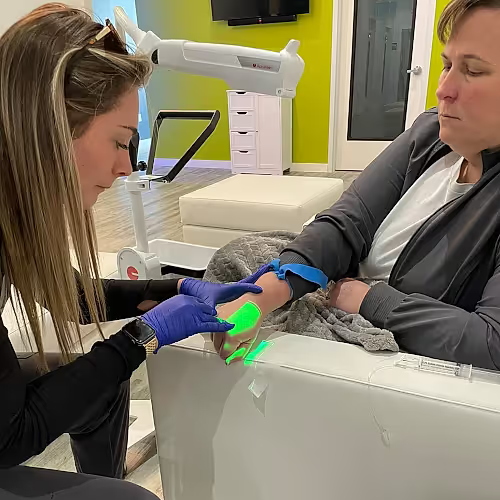
Licensed nurse preparing an IV drip with vitamins and minerals for a patient recovering from a bariatric procedure.
Close-up of a healing surgical incision with improved tissue repair, supported by targeted hydration and nutrients.
Individual smiling and active after gastric surgery, showing improved energy and well-being from recovery support.

FAQs About Gastric Surgery

How can I make gastric surgery part of a sustainable wellness plan?

Gastric surgery is one step in a long-term wellness journey that includes nutrition, hydration, and regular monitoring. Ongoing support with nutrient therapy can help address deficiencies and promote healing. It is important to follow your healthcare provider’s recommendations for supplements and lifestyle adjustments. Consistency and regular check-ins help maintain positive results over time.
Effective stress management after surgery includes gentle movement, deep breathing, and maintaining a regular sleep schedule. These practices can support healing and help reduce fatigue. Mindful relaxation and connecting with supportive people may also improve mood. Combining these strategies with medical guidance can enhance recovery outcomes.
Even minor adjustments, like increasing hydration or adding nutrient support, can impact energy levels. Fatigue after surgery is often linked to deficiencies in vitamins such as B12. Addressing these can help you feel more alert and active. Monitoring your response helps guide further changes.
Tracking your recovery can include monitoring energy levels, wound healing, and how well you tolerate foods. Keeping a journal of symptoms and dietary intake may help identify patterns. Regular bloodwork is important for assessing nutrient status. Share your observations with your healthcare team for ongoing support.
Maintaining momentum involves consistent follow-up, balanced nutrition, and regular hydration. Supportive therapies like IV nutrient infusions can help address ongoing needs. Tracking your progress and adjusting your plan as needed keeps you on the right path. Staying engaged with your care team ensures continued improvement.
Vitamin B12 is important for red blood cell production and nerve health, especially after gastric surgery. Consistent supplementation, either by injection or infusion, can help maintain adequate levels. Monitoring your status with regular bloodwork is recommended. Discuss options with your healthcare provider to ensure the best approach for you.
Supporting your immune system involves adequate nutrition, hydration, and rest. Nutrients like vitamin C and glutathione play important roles in immune defense. After surgery, your body may be more vulnerable to infections. Taking proactive steps can help reduce risks and support healing.
Nutrition plays a vital role in recovery for middle-aged adults by supporting energy, tissue repair, and immune function. Proper intake of vitamins and minerals can help address deficiencies common after surgery. Balanced meals and targeted supplementation aid in healing. Regular monitoring ensures ongoing wellness.
Nurses with busy schedules can benefit from planning recovery support around their work shifts. Flexible appointment times and regular check-ins help maintain progress. Prioritizing hydration and nutrient support during off-hours may ease fatigue. Coordinating care with your work routine supports better recovery.
Focus on hydration, balanced meals, and adequate rest to support healing. Listen to your body and adjust your routine as needed. Seek support if symptoms persist or worsen. Consistency in self-care helps promote a smoother recovery.